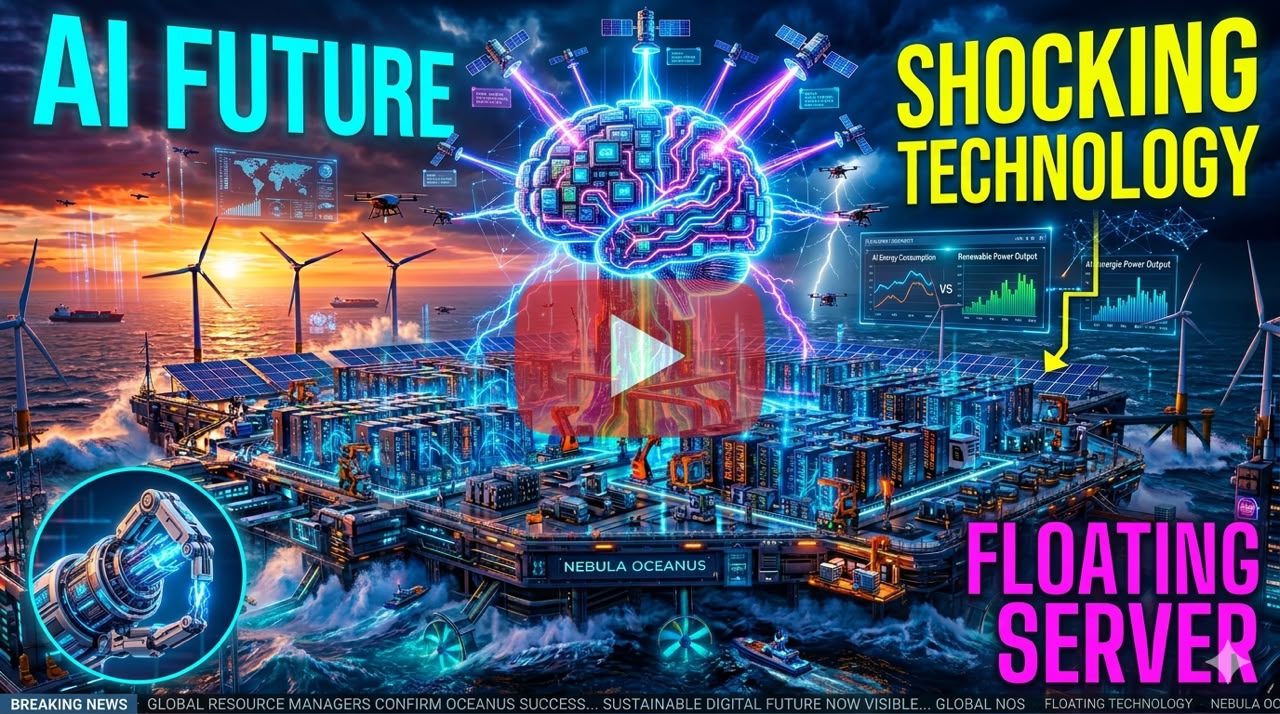
AI data floating in the sea, Running AI requires thousands of servers, millions of processors, and massive data centers. These data centers consume so much electricity that the AI industry alone is now using as much energy as the combined electricity consumption of many small countries. Furthermore, vast quantities of water and cooling systems are needed to cool the heat generated by the servers.
This challenge has forced the world’s technology experts to think in a new direction. Now the discussion is not just about creating new AI models, but about building entirely new infrastructure to run AI. This thinking has given birth to a unique idea—floating AI data centers.
What exactly are AI data centers?
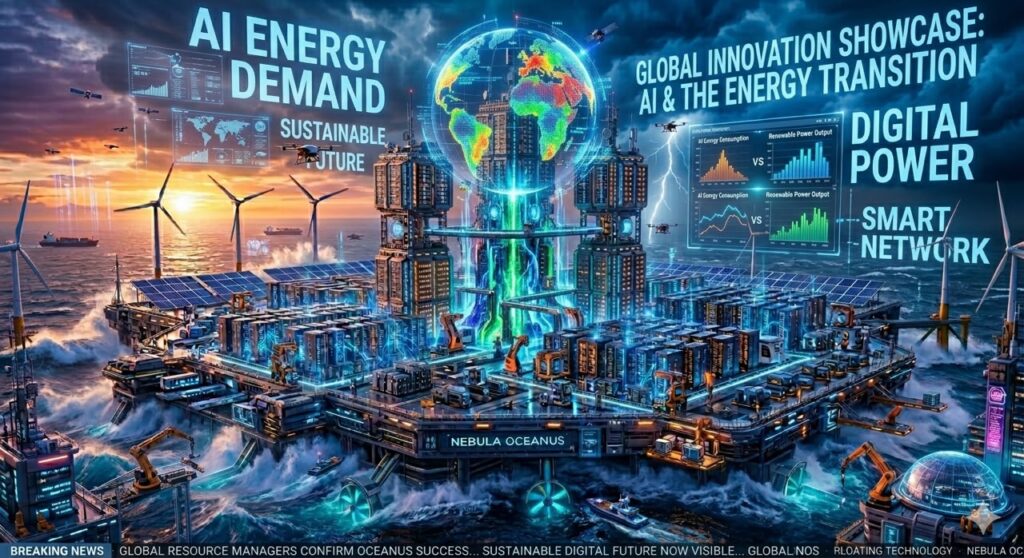
When you talk to an AI chatbot, draw a picture, or generate a video, a massive computer network works to answer your queries. These are called data centers.
Thousands of servers run continuously in these data centers. Billions of calculations are performed every second. As AI models grow larger, the number and size of these data centers are also increasing.
But there’s a problem. These servers generate excessive heat. If they’re not constantly cooled, the machines can malfunction. This is why AI companies are exploring new cooling technologies.
How did the idea of building data centers in the ocean come about?
Technologists realized that approximately 70 percent of the Earth is covered by oceans. The ocean contains naturally occurring cool water. If data centers were established on or within the ocean, the cooling problem could be significantly reduced.
This is where the idea of floating AI data centers emerged.
These projects aim to create platforms that can float in the ocean like ships or floating stations, housing thousands of AI servers. Seawater will provide natural cooling, while energy can be obtained from various sources.
The Growing Hunger for AI
Today’s AI doesn’t just create text. It’s helping with videos, music, images, code, and even scientific research.
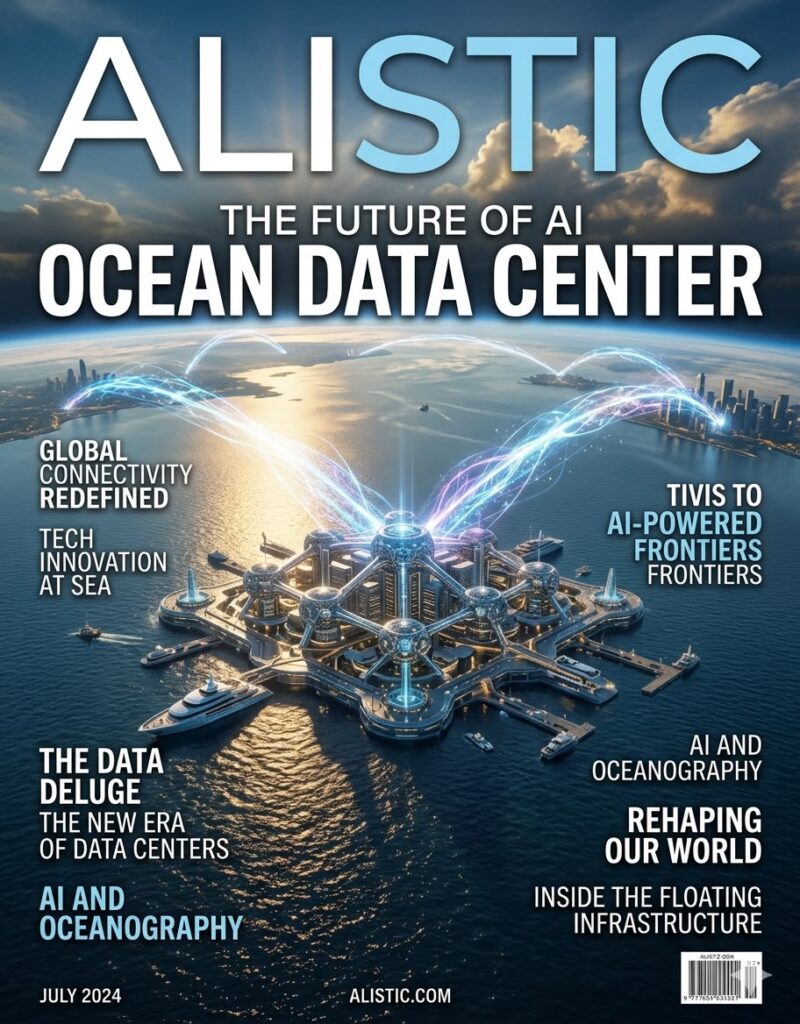
Experts believe that AI computing needs will increase exponentially in the coming years. Traditional land-based data centers will no longer be sufficient. Power shortages, land availability, and environmental challenges could pose significant obstacles.
This is why companies around the world are working on new alternatives.
How would floating data centers work?
Imagine a huge ship floating in the ocean. Inside, instead of passengers, are thousands of AI servers.
This ship will continuously perform AI calculations. The cool ocean water will support the cooling system. Energy can be obtained from ocean waves, wind energy, LNG-based systems, or shore-sourced electricity.
When a user uses an AI service, the request will reach this ocean data center via the internet, and the response will be sent back.
Send feedback
Wave-powered AI data centers?
Some startups are thinking even further.
They are developing floating platforms that can convert ocean wave energy into electricity. This electricity will power AI servers, and the generated data will be transmitted to the world via satellite.
If this technology is successful, the AI industry could gain a new source of virtually unlimited clean energy.
What are the environmental benefits?
Proponents of marine data centers say they could have several benefits.
First, land use would be reduced.
Second, freshwater consumption could decrease because seawater would aid in cooling.
Third, some projects could utilize renewable energy, reducing carbon emissions.
Given the growing energy demands of the AI industry, this is considered a significant step.
But are there challenges?
Building a data center in the ocean sounds simple, but in reality, it is a very complex task.
Problems like storms, high waves, salt, humidity, and corrosion will persist.
Servers must be protected from the marine environment. If a technical failure occurs, repairs will be more difficult than on land.
The question of cybersecurity?
AI data centers can be extremely important to any country’s digital economy.
If they are located at sea, how will their security be ensured?
Experts believe that specialized cybersecurity and maritime security systems may need to be developed to protect them in the future.
Will marine life be affected?
This is a major question.
Some environmental experts worry that large-scale marine data centers could impact the local marine ecosystem.
However, proponents argue that risks can be mitigated through proper design and location selection. More research is needed on this topic.
Has China shown a new path?
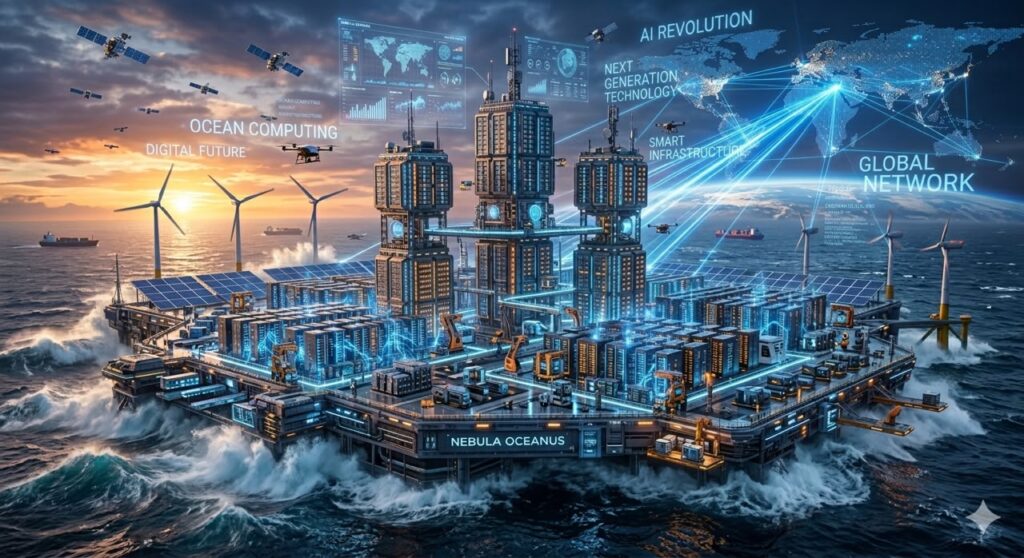
Recently, China launched a significant project involving sea-based AI data centers, in which servers have been installed underwater.
This model attempts to make AI operations more efficient by using seawater and renewable energy.
This demonstrates that marine computing is no longer just a fantasy, but moving towards becoming a reality.
What could the future hold?
Experts believe that AI infrastructure could take many forms in the coming decade.
Some data centers will be on land.
Some will float in the ocean.
Some could be installed underwater.
And in the future, some data centers could even be sent into space.
The growing demand for AI is so enormous that a single solution will not suffice.
Conclusion
The world of AI is rapidly changing. The competition is now not only about creating the most intelligent AI, but also about building the most capable infrastructure to run it. Floating AI data centers are a revolutionary idea in this direction. They attempt to address problems such as energy, cooling, and space. However, technical, environmental, and safety challenges remain.