Rising crude oil prices
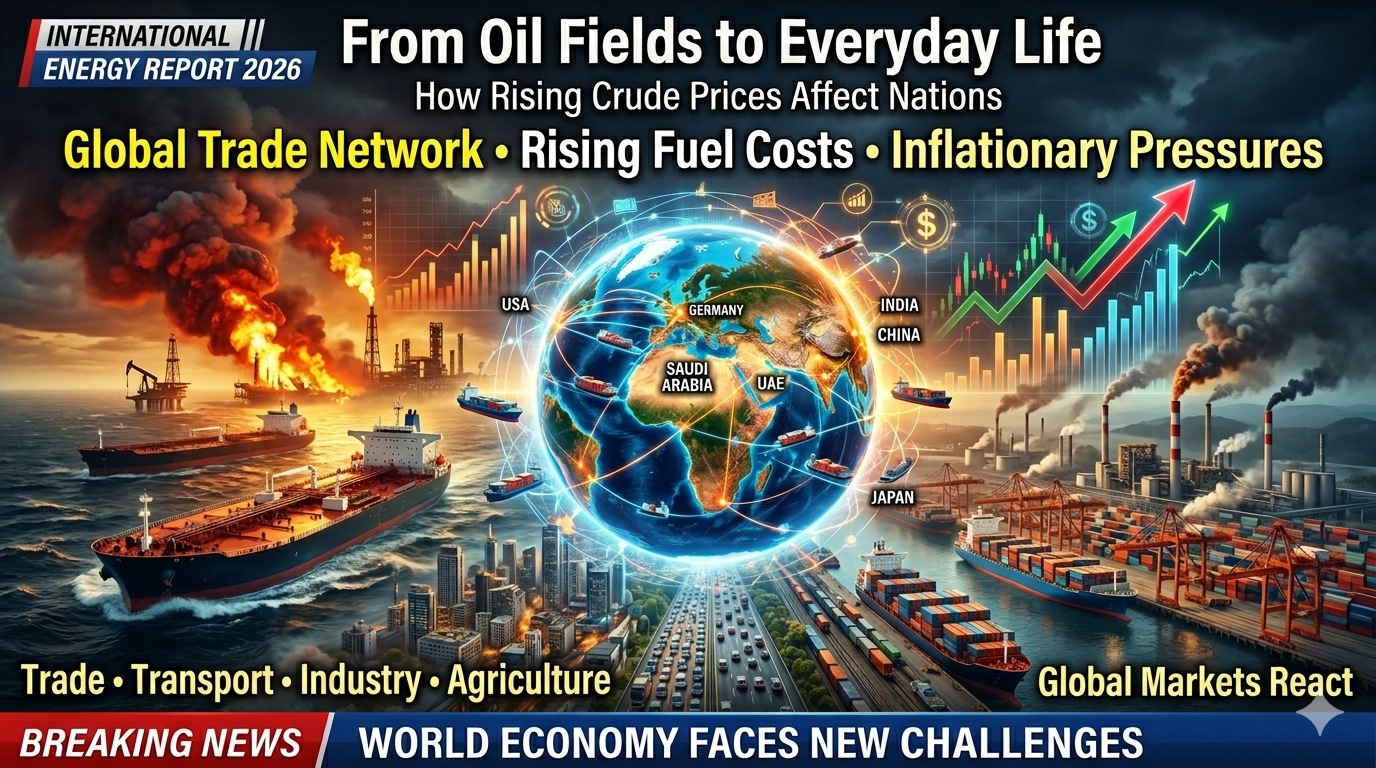
Rising crude oil prices, The world’s modern economy relies on many vital resources, but crude oil is considered the most important. Whether it’s vehicles on the road, airplanes flying in the sky, ships plying the oceans, or large industries, nearly every sector relies on oil in some form or another. This is why, when crude oil prices rise in the international market, its impact isn’t limited to the energy sector alone but is felt throughout the global economy.
In recent times, there has been continuous fluctuation in the prices of crude oil. Sometimes this growth is so fast that governments, industrialists, investors and common citizens all over the world become worried. The rise in oil prices is a phenomenon that directly and indirectly affects the lives of crores of people.
What is crude oil?
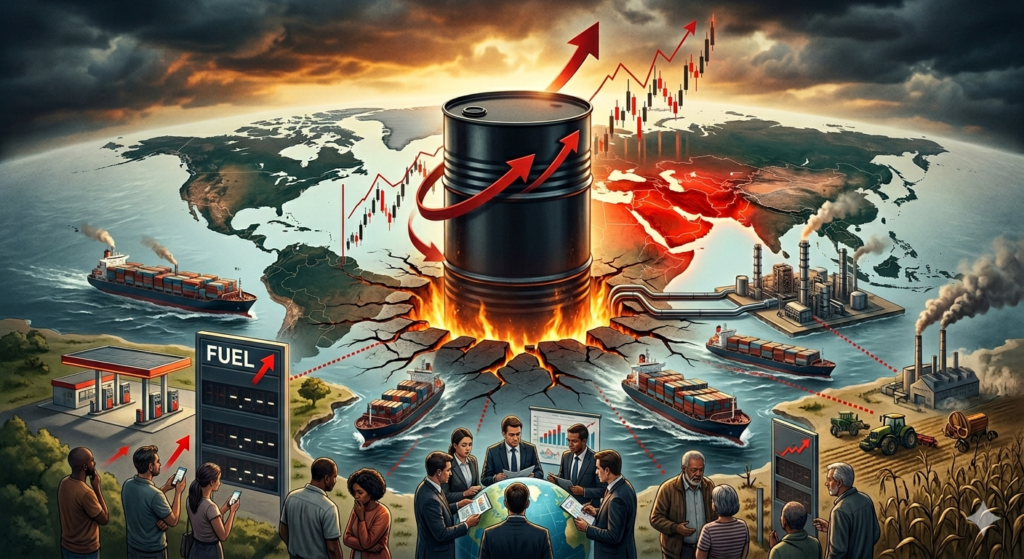
Crude oil is a natural resource found deep within the earth. After extraction, it undergoes various processes to produce petrol, diesel, kerosene, LPG, aviation fuel, and many other products. Plastics, chemicals, pharmaceuticals, and numerous industrial products are also made from oil-based resources.
- This is why crude oil has become not only a source of fuel but also the foundation of modern life.
Why do oil prices rise?
Crude oil prices are influenced by several factors. The most important factor is the balance of demand and supply. When global demand for oil increases and supply doesn’t keep pace, prices rise. Furthermore, international politics also significantly impact the oil market. If war, tension, or instability occurs in an oil-producing region, investors fear a future supply shortage. This fear can cause prices to rise.
Natural disasters also affect prices. If a hurricane, earthquake, or other disaster strikes a major oil-producing region, production and transportation may be affected. This can reduce oil availability in the market and cause prices to rise.
Global Politics and the Oil Market
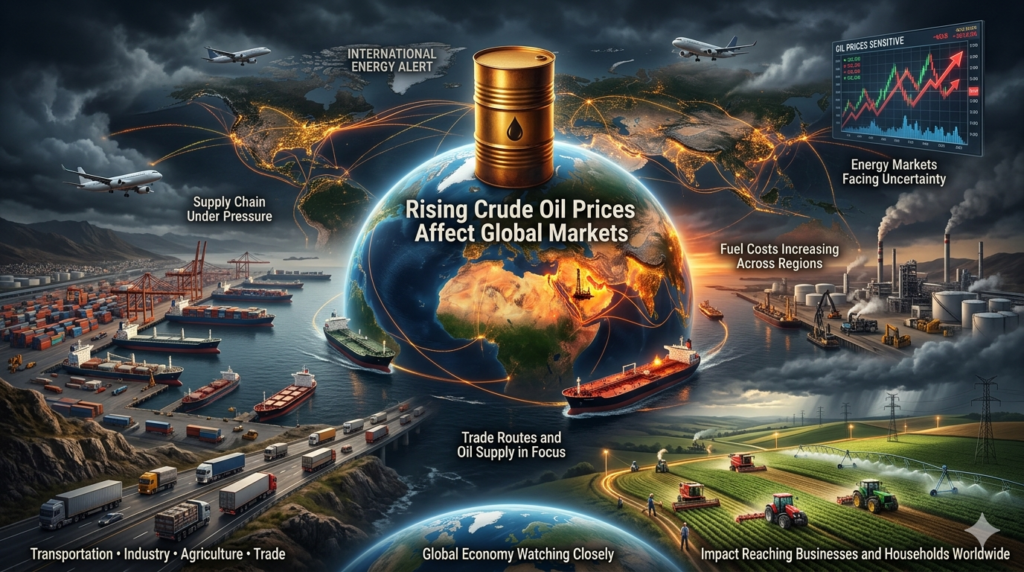
Many of the world’s major oil-producing countries are located in the Middle East. This region has long been a center of global politics. The impact of any major event here is immediately felt on the international oil market.
If a conflict situation arises in any region, concerns about the security of trade routes increase. There is a possibility that the movement of oil-carrying ships may be disrupted. During such times, market uncertainty increases, and prices can rise sharply.
Sometimes, even tense rhetoric alone can influence the market. Investors begin buying in advance, anticipating future prospects, which can lead to a surge in prices.
What impact does it have on ordinary people?
The rise in crude oil prices has the most direct impact on ordinary citizens. When oil becomes more expensive, petrol and diesel prices can rise. This increases the expenses of private vehicles. The cost of buses, taxis, and other public transportation services also increases. This often results in increased fares. Those who travel daily can experience a significant increase in their monthly expenses. Furthermore, rising transportation costs can also increase the prices of many commodities available in the market, as most goods are transported from one place to another via trucks and other vehicles.
Impact on Food Prices
Oil prices also impact the food sector. Farmers’ machinery, tractors, irrigation equipment, and transportation vehicles rely on fuel. When fuel is expensive, the cost of farming increases. The cost of transporting crops to market can also increase. Ultimately, these additional costs are reflected in food prices. Thus, rising oil prices are not limited to petrol pumps but reach the kitchen.
Growing Challenges Facing Industries
Both energy and transportation are crucial for industries. Many factories directly or indirectly use oil-based resources in their production operations. When oil prices rise, production costs increase, forcing companies to incur higher expenses. Some companies pass these additional costs on to customers, while others accept a reduction in their profits. High prices may also impact the competitiveness of industries for a long time.
Inflation and Economic Growth
Increases in crude oil prices often fuel inflation. When transportation, production, and energy costs rise, the prices of goods and services can also rise. Rising inflation reduces people’s purchasing power. If people have to spend a larger portion of their income on essential goods, they spend less on other goods and services. This can impact market demand. Economic experts believe that prolonged high oil prices can slow economic growth.
Impact on Oil-Producing and Importing Countries
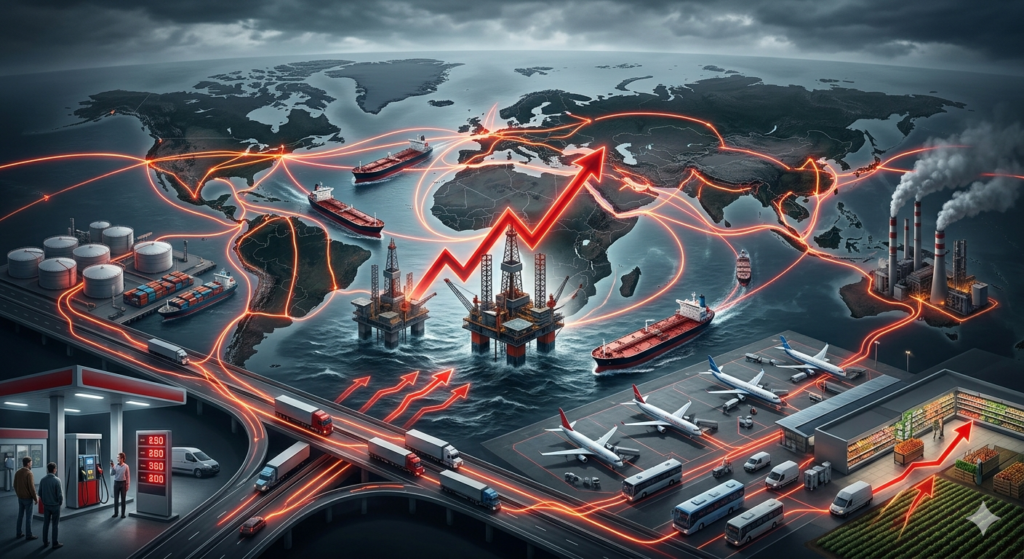
Rising oil prices often prove beneficial for oil-producing countries. They receive more revenue from their exports, which can boost their economies. On the other hand, oil-importing countries have to spend more money, which can put pressure on foreign exchange reserves. This poses a significant challenge for many developing countries. Rising oil prices are also a significant economic issue for countries like India, which imports a large portion of its oil needs.
Growing Trend Towards Alternative Energy
Rising oil prices have prompted the world to look to alternative energy sources. The use of solar energy, wind energy, hydropower, and electric vehicles is growing rapidly. Many countries are working to reduce their dependence on fossil fuels. Although this transition is gradual, its impact could be significant in the future. Experts believe that the development of clean energy could reduce pressure on the oil market and strengthen energy security. FIFA World Cup 2026
Conclusion
The rise in crude oil prices isn’t just economic news, but a topic that can affect everyone around the world. Its impact extends to transportation, agriculture, industry, trade, inflation, and government policies. Oil plays a crucial role in today’s global economy. Therefore, changes in its prices are closely monitored by the entire world. While the development of alternative energy sources may reduce dependence on oil in the coming years, crude oil remains the heartbeat of the global economy. This is why every major movement in the oil market becomes a topic of discussion worldwide and impacts the lives of millions of people in some way or another.